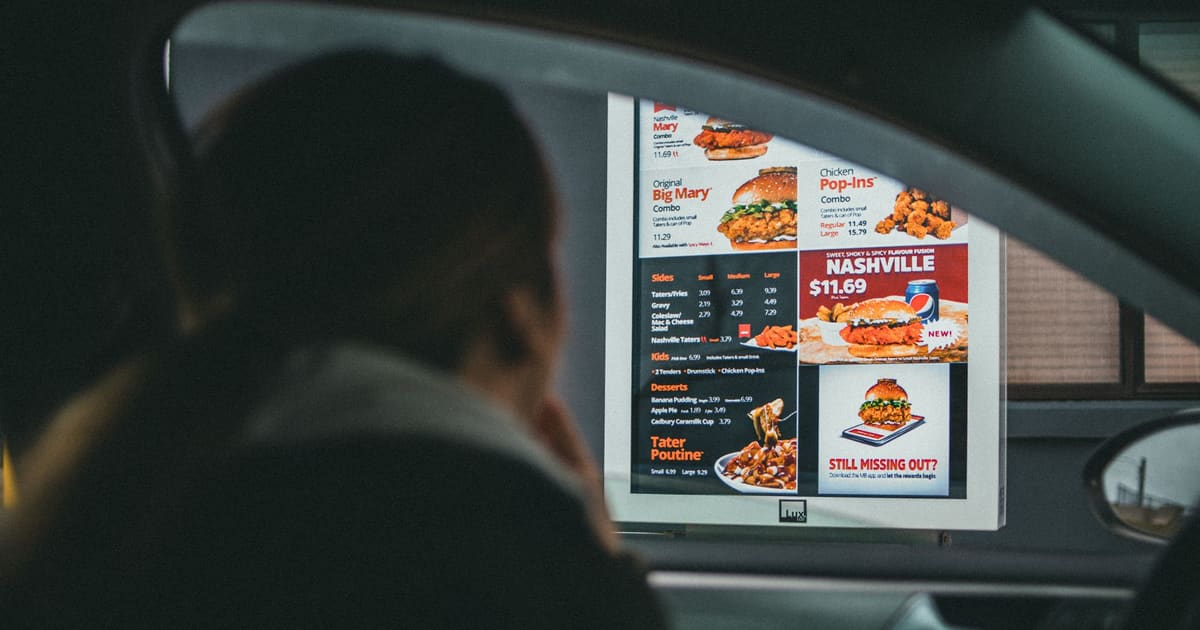
The average US household spends $3,639 per year on food away from home, according to the Bureau of Labor Statistics 2023 Consumer Expenditure Survey -- the most comprehensive annual measure of American household spending. That figure represents approximately 44 percent of total food spending, with the balance going to groceries. The share going to restaurants, takeout, and delivery has grown consistently over the past two decades and was recovering strongly after the pandemic-related dip of 2020 and 2021.
How Much Do Americans Spend on Dining Out Per Year?
The Bureau of Labor Statistics (BLS) Consumer Expenditure Survey is the definitive annual source for household food-away-from-home spending. Key figures from the most recent survey data:
- Average household: $3,639 per year on food away from home (2023 Consumer Expenditure Survey)
- Per-person equivalent: Approximately $1,450 per person annually, using the average US household size of 2.5 persons
- Weekly equivalent: Approximately $70 per household, or $28 per person per week
These figures include all food consumed outside the home: sit-down restaurants, fast food, takeout, delivery, coffee shops, food carts, and workplace cafeterias. They do not distinguish between a $200 tasting menu and a $6 fast-food meal.
The National Restaurant Association estimated total US restaurant industry sales at $1.1 trillion in 2024 -- the first time the industry crossed that threshold. Spread across the US adult population, that implies aggregate restaurant spending of roughly $4,300 per adult per year across all dining formats.
How Dining-Out Spending Has Changed Over the Last Decade
The BLS Consumer Expenditure Survey data shows a clear long-term upward trend in food-away-from-home spending, interrupted by a sharp decline in 2020 and a rapid rebound starting in 2021.
Pre-pandemic trajectory (2013 to 2019). Average household food-away-from-home spending rose from approximately $2,600 to $3,526 -- a 36 percent increase over six years. This period saw the rapid growth of fast casual dining, delivery platform adoption, and rising menu prices across all dining formats.
2020 decline. Spending fell to approximately $2,375 -- a 33 percent drop -- as pandemic-related closures, capacity limits, and behavioral caution reduced restaurant visits dramatically. Grocery spending spiked during the same period.
2021 to 2023 recovery. Spending recovered to $2,914 in 2021 and $3,405 in 2022 before reaching $3,639 in 2023, per BLS data. The recovery was driven partly by pent-up demand and partly by significant menu price inflation -- the BLS food-away-from-home consumer price index rose approximately 27 percent between early 2020 and mid-2023, meaning some of the nominal spending increase reflected higher prices rather than more meals.
The practical implication for diners: the dollar amount spent per restaurant visit has increased significantly over the past five years, but the purchasing power of that spend -- the number of meals and courses it buys -- has increased less. For more on restaurant price trends across dining formats, see our guide on restaurant price tiers explained.
How Dining-Out Spending Varies by Income Level
The BLS Consumer Expenditure Survey segments spending by income quintile, revealing a significant disparity in food-away-from-home spending across income levels:
| Income quintile | Approximate household income | Annual food-away spending | Share of total food budget |
|---|---|---|---|
| Lowest 20% | Under $35,000 | $1,200 to $1,500 | ~35% |
| Second 20% | $35,000 to $55,000 | $2,200 to $2,600 | ~40% |
| Middle 20% | $55,000 to $80,000 | $3,000 to $3,500 | ~43% |
| Fourth 20% | $80,000 to $130,000 | $4,200 to $4,800 | ~45% |
| Highest 20% | Above $130,000 | $6,500 to $8,000 | ~47% |
Estimates based on BLS Consumer Expenditure Survey trend data. Figures are approximate and vary year to year.
Several patterns emerge from this data. First, the share of food spending going to restaurants rises with income -- higher-income households are not just spending more in absolute terms, they are directing a higher fraction of their food budget toward dining out. Second, even at the lowest income quintile, more than one-third of food spending goes toward meals eaten away from home. Third, the absolute gap between highest and lowest quintiles -- roughly $5,000 to $6,000 per year -- is substantial and reflects both visit frequency and spending per visit.
Restaurant Spending vs. Grocery Spending: The Split
The share of total food spending going to restaurants and away-from-home sources crossed 50 percent briefly in 2019 before falling back during the pandemic. As of 2023, it sits at approximately 44 to 45 percent of total household food expenditures, per BLS data.
This split is higher in the United States than in most peer economies. Cultural factors -- longer working hours, higher rates of car commuting (which generates drive-through and takeout demand), and an exceptionally developed fast casual dining sector -- all contribute to a higher restaurant share than European countries with comparable income levels.
The trend over time has been consistent: each decade, Americans have directed a slightly larger share of food spending toward restaurants and takeout than the decade before. Delivery platform growth since 2016 has accelerated this shift by reducing the friction of ordering out relative to preparing food at home.
Fast Food vs. Full-Service Restaurants: Where the Money Goes
The National Restaurant Association segments the restaurant industry into limited-service (fast food, fast casual, counter service) and full-service (table service, fine dining) categories. Their data consistently shows:
- Limited-service restaurants account for approximately 55 to 60 percent of total industry sales, driven by high visit frequency.
- Full-service restaurants account for 40 to 45 percent of sales, driven by higher per-check averages.
The average per-check at a limited-service restaurant runs approximately $10 to $15 per person. The average per-check at a full-service casual dining restaurant runs approximately $20 to $40 per person. Full-service upscale casual and fine dining can range from $50 to $200 or more per person, as detailed in our guide on the average cost of a restaurant meal.
How Delivery Platform Fees Have Changed Consumer Spending
Third-party delivery platforms -- DoorDash, Uber Eats, Grubhub, and others -- have fundamentally changed the cost structure of ordering restaurant food. A meal that costs $20 at the restaurant may cost $27 to $30 when ordered through a delivery platform, reflecting delivery fees, service fees, and tip for the driver.
The National Restaurant Association estimates that third-party platform commissions charged to restaurants run 15 to 30 percent of the order value. Some of that cost is passed directly to the consumer through elevated platform pricing; some is absorbed by the restaurant. Consumer Reports has documented that menu prices on delivery platforms are often 10 to 15 percent higher than the same items in the restaurant, in addition to delivery and service fees.
For diners managing a food budget, the difference between delivery, takeout, and dine-in costs is significant. Our guide on dine-in vs. takeout vs. delivery cost breaks down the full cost difference for a comparable meal across each format.
What the Data Means for Diners Trying to Budget
The BLS data provides useful benchmarks for households trying to evaluate whether their dining-out spending is typical for their income level. A few practical observations:
The $3,639 average is a household figure, not a per-person figure. If you are a single-person household spending $3,000 per year on dining out, you are above average for a single-person household even though your dollar amount is below the household mean.
The national average obscures large regional variation. Dining-out costs in San Francisco, New York, and Boston are significantly higher than in smaller US markets. A household in a high-cost city spending $4,500 annually on dining out may be behaving identically to a household in a smaller market spending $2,800.
Delivery fees inflate the spending figure without adding meal value. A household that eats out or orders in the same number of meals as five years ago may be spending meaningfully more due to delivery platform fee growth, not increased dining frequency.
The tip is part of the cost. Standard tipping practice of 18 to 20 percent on the food and beverage total is a material addition to per-meal cost. For guidance on how tipping norms apply across different dining contexts, see our guide on how much to tip at a restaurant.
Note
If you are trying to reduce dining-out spending without cutting meal frequency, the highest-impact changes are: (1) ordering directly from the restaurant rather than via a third-party platform, which eliminates platform service fees and often reveals lower menu prices; (2) shifting some delivery occasions to takeout, which saves the delivery fee and driver tip; and (3) choosing restaurants during restaurant week periods, when prix fixe menus offer a defined value window. Our restaurant week guide covers how to get the most from that format.
The scale of American dining-out spending -- over $1 trillion annually at the industry level, more than $3,600 per household per year at the consumer level -- reflects how central eating out has become to daily life across income levels. The BLS Consumer Expenditure Survey, published annually, is the most reliable ongoing source for tracking how these figures evolve. For context on how individual meal costs compare across dining formats, see our guide on the average cost of a restaurant meal.
Frequently asked questions
What percentage of food spending is eating out for the average American?
According to the U.S. Bureau of Labor Statistics Consumer Expenditure Survey, Americans spend approximately 43 to 45 percent of their total food budget on food away from home -- meaning restaurants, takeout, and delivery. The rest goes to groceries and food consumed at home. This share has grown gradually over the past two decades as delivery platforms have reduced friction in ordering.
Has dining-out spending increased or decreased since 2020?
Dining-out spending dropped sharply in 2020 due to pandemic-related closures and capacity restrictions, then rebounded strongly in 2021 and 2022. By 2023, the Bureau of Labor Statistics Consumer Expenditure data showed food-away-from-home spending at or above pre-pandemic levels in nominal terms. In inflation-adjusted terms, menu price increases (restaurant prices rose faster than grocery prices through 2022 and 2023) have reduced the quantity of meals purchased even as dollar spend increased.
How does US dining-out spending compare to other countries?
The US has one of the highest shares of food spending directed toward eating out among developed economies. The OECD reports that American households spend a higher fraction of food budgets away from home than most European countries, though the UK and Australia are comparable. Lower labor costs for food-service workers in some countries and stronger home cooking traditions in others contribute to the variation.
How much does the average American spend on lunch per week?
The National Restaurant Association estimates the average American who eats lunch out does so approximately 2 to 3 times per week, at an average of $10 to $15 per meal. That translates to roughly $20 to $45 per week, or $1,000 to $2,300 per year, from work-related lunches alone. Actual figures vary significantly by city, workplace culture, and individual habit.
What share of restaurant spending goes to fast food vs. sit-down?
The National Restaurant Association's data consistently shows that limited-service restaurants (fast food, fast casual, counter service) account for roughly 55 to 60 percent of total restaurant industry sales, with full-service sit-down restaurants accounting for the remainder. Per-visit spending at full-service restaurants is significantly higher, but visit frequency at limited-service formats is greater, producing roughly similar aggregate shares.
How do delivery fees affect total dining-out costs?
Delivery platform fees -- delivery charges, service fees, small-order fees, and tipping -- add between 25 and 50 percent to the food price on a typical delivery order, according to consumer cost analyses published by Consumer Reports and the National Restaurant Association. A $20 meal ordered via a third-party platform typically costs $27 to $30 all-in. This fee burden has created measurable pushback, with surveys showing increased consumer preference for direct restaurant ordering channels.