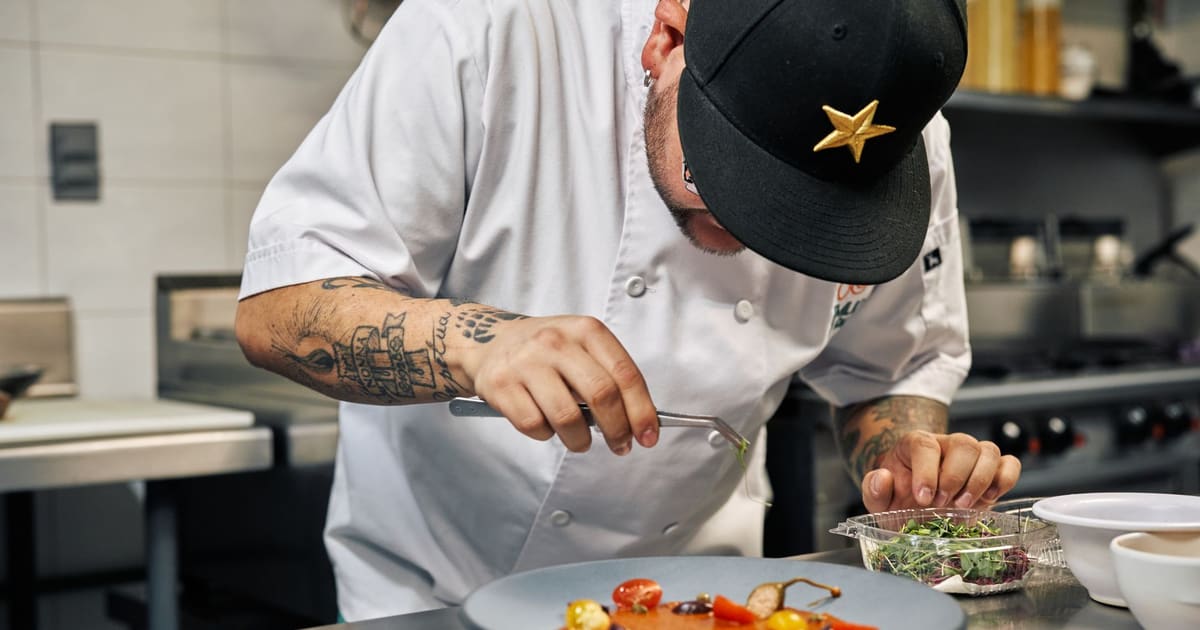
Restaurant week is a promotional event where participating restaurants offer a prix fixe menu at a set price -- typically $25, $35, or $65 per person for two to three courses -- during a defined period, usually two to four weeks. The format is designed to attract new diners to upscale or unfamiliar restaurants at a lower barrier price. Beverages, tax, and gratuity are always additional.
What Is Restaurant Week and How Does It Work?
Restaurant week is organized at the city level by tourism boards, hospitality associations, or culinary groups. Participating restaurants agree to offer a fixed-price menu during the promotional window. The price tiers vary by city: NYC Restaurant Week has historically used $30, $45, and $60 tiers; other cities set their own floors. Michelin-starred restaurants, mid-tier bistros, and hotel dining rooms all participate alongside one another.
The mechanics from a diner perspective are straightforward. You visit the restaurant week website for your city, browse participating restaurants, and make a reservation as you normally would -- except you note that you want the restaurant week menu. When you arrive, the prix fixe is typically the primary (and sometimes only) format available for that service.
According to the National Restaurant Association, restaurant week events across the US collectively generate hundreds of thousands of covers during their run periods, making them among the most consistent traffic drivers for full-service dining outside of major holidays.
What Is Usually Included in a Restaurant Week Menu?
Most restaurant week menus offer two or three courses: a starter, a main course, and often dessert. The selections are typically a curated subset of the regular menu, not the full range. Restaurants may rotate two or three options per course.
What is usually not included:
- Beverages of any kind (wine, cocktails, non-alcoholic drinks)
- Bread service at some venues (though many include it)
- Supplemental charges for premium proteins (truffle, wagyu, lobster)
- Tax and gratuity
The supplement charge is worth asking about. Some restaurants include a steak or a fish dish in the prix fixe at no added cost. Others list a standard choice and charge $10 to $20 extra for premium cuts. Checking the menu online before you book tells you whether the dishes you actually want are included in the base price.
For background on how prix fixe menus work relative to a la carte ordering, see our guide on prix fixe vs. a la carte.
How to Find Participating Restaurants in Your City
Every city that runs a restaurant week maintains a public website listing participating restaurants, their menus, and their price tiers. Searching "[your city] restaurant week [year]" is the fastest way to find the current event. OpenTable, Resy, and Yelp also surface restaurant week menus in their search filters during active event periods.
Tip: the restaurant week website usually publishes menus before reservations open. Review the actual dishes before you book -- not just the restaurant's name and star rating. A restaurant you admire may have built a restaurant week menu from lower-cost items that do not reflect their usual standard.
How to Book a Table During Restaurant Week
Restaurant week reservations work through the same channels as standard dining reservations: OpenTable, Resy, Tock, the restaurant's own website, or by phone. The difference is timing. Restaurant week slots at popular venues fill within hours of reservation windows opening -- particularly Friday and Saturday dinner service.
To secure a table at a destination restaurant:
- Find the exact date and time when reservations open (the city's restaurant week website usually announces this).
- Create an account on the reservation platform ahead of time so you are not creating a login under deadline pressure.
- Book the moment the window opens. Popular restaurants in major cities sell out their best time slots within minutes.
- If your preferred restaurant is fully booked, check back daily -- cancellations happen and platforms often release held slots 24 to 48 hours before the meal date.
For more on the reservation process generally, see our guide on how to make a restaurant reservation.
What to Order to Get the Best Value
Not every option on a restaurant week menu represents equal value. To maximize what you are getting relative to the set price, consider the following when selecting your courses:
Starter: Choose the dish you would be least likely to order on a standard visit because of price or novelty. A restaurant week starter is a low-risk opportunity to try something aspirational.
Main course: Pick the dish that would be most expensive if ordered a la carte. This is typically the protein-heavy entree -- a duck breast, a short rib, or a piece of fish that carries the highest regular menu price.
Dessert: Dessert is often the course where restaurant week menus are most uniform and least differentiated from a normal evening. Do not overthink this choice.
What to skip: Avoid ordering additional a la carte items on top of the prix fixe unless you genuinely want them. The value in restaurant week is the set menu -- adding a la carte sides or extra courses eliminates the savings that made the event worthwhile.
What Is Not Covered by the Prix Fixe Price?
Understanding what the prix fixe price excludes prevents bill shock at the end of the meal. Standard exclusions across most restaurant week events:
| What is excluded | Typical additional cost |
|---|---|
| Beverages (wine, cocktails, soft drinks) | $8 to $25+ per drink |
| Premium protein supplements | $10 to $25 extra |
| Sales tax | 6 to 10 percent depending on state |
| Gratuity | 18 to 20 percent on the total bill |
| Coat check or valet | Venue-specific |
A $45 prix fixe dinner for two people, with two cocktails each and standard tax and gratuity, typically totals $140 to $160 all-in. That is still a meaningful savings over a standard evening at the same restaurant, but it is not a $90 dinner.
Restaurant Week Etiquette: Tipping and Reservations
Tipping. The Emily Post Institute is explicit that tipping norms do not change during promotional events. Your server is providing the same labor as any other evening -- seating you, explaining the menu, running food, managing the table. Tip 18 to 20 percent on the full bill (prix fixe plus beverages plus any supplements), not on the promotional price alone.
Tipping on only the prix fixe base is the most common restaurant week etiquette mistake. If two people each ordered a $45 prix fixe and $40 in beverages, the bill before tax is $130. A tip on $130 is $23 to $26. A tip on only the $90 prix fixe total is $16 -- short of what the service earned.
Reservations. Restaurant week no-shows hurt small restaurants disproportionately. These kitchens have prepared product, scheduled extra staff, and priced the menu to make a profit on full seatings. If your plans change, cancel your reservation as early as possible -- at minimum 24 hours before the reservation time. Many restaurants now require a credit card to hold restaurant week bookings and charge a no-show fee.
Table pace. Restaurant week kitchens are running at high volume. Service may feel slightly faster than a standard evening. This is normal, not dismissive. If you want to linger, let your server know early and they will manage the pace accordingly.
Tip
If you are dining as a group and splitting the bill, agree on the split method before the check arrives. Restaurant week tables often have mixed beverage consumption -- some guests may order wine, others may not. Deciding in advance whether to split evenly or itemize avoids tension at the end of the evening. See our guide on splitting the bill for specific approaches.
Restaurant week is a genuine opportunity to try a restaurant at a lower financial commitment than a regular visit. The value is real when the menu reflects the kitchen's actual capabilities and the dishes you select maximize the gap between the prix fixe price and what those courses would cost a la carte on an ordinary evening. The value evaporates if you tip short or miscalculate the full bill. Going in with clear expectations -- prix fixe covers food, not drinks, not tax, not tip -- makes the experience better for everyone at the table.
For a broader look at how restaurant pricing works across different dining formats, see our guide to restaurant price tiers explained.
Frequently asked questions
Is restaurant week actually a good deal?
It depends on the restaurant. At a place where entrees normally run $40 to $60, a $55 prix fixe for three courses can represent real savings. At a restaurant that builds a stripped-down menu from cheaper ingredients for the event, the deal is mostly marketing. Check the menu before you book to evaluate what you are actually getting.
Do you have to order the prix fixe menu at a restaurant week event?
At most participating restaurants, yes -- the prix fixe is the only format offered during restaurant week service. Some allow a la carte ordering alongside the fixed menu, especially at the bar or during off-peak hours, but this varies by restaurant. Confirm when you make the reservation so you are not surprised at the table.
How much do restaurant week menus typically cost?
Most restaurant week menus are priced at $25, $35, $45, or $65 per person for two or three courses, depending on the city and the organizing body. NYC Restaurant Week, for example, is historically priced in those tiers. Beverages, tax, and tip are always additional costs not included in the prix fixe price.
Is restaurant week always one week long?
No. Despite the name, restaurant week events typically run two to four weeks, and in some cities much longer. NYC Restaurant Week runs for several months with multiple participating restaurants cycling in and out. The extended format exists because a single week is not enough time for most diners to participate across multiple restaurants.
What cities have the most well-known restaurant weeks?
New York City Restaurant Week is the best-known event and draws the most media coverage. Chicago Restaurant Week, Boston Restaurant Week, DC Restaurant Week, and Houston Restaurant Weeks are all significant regional events. Most major US metros run at least one annual restaurant week, often timed to the slower post-holiday January period.
Do you still need to tip during restaurant week?
Yes. The prix fixe price covers food only. Tip your server based on the total bill including beverages and any add-ons, at the standard 18 to 20 percent, according to Emily Post Institute etiquette guidance. Tipping on only the prix fixe base -- or tipping less because you feel the deal already saved you money -- is not appropriate.