Hibachi dining at a teppanyaki restaurant typically costs $20 to $70 per person for food before drinks, based on Thumbtack consumer dining data and published pricing from major chains. The price depends primarily on which protein you order: a chicken or vegetable entree runs $20 to $35, while seafood and combination plates run $40 to $70. At-home hibachi catering, where a chef cooks at your home or event venue, typically runs $55 to $85 per guest with a minimum headcount requirement.
What Does Hibachi Cost Per Person at a Restaurant?
The per-person cost at a teppanyaki restaurant in the US varies by protein choice, location, and whether you add drinks. Per Thumbtack dining price data, typical per-person food costs at major chains like Benihana fall into this range:
| Protein selection | Typical entree price | With soup and salad |
|---|---|---|
| Vegetable or tofu | $18 to $25 | Usually included |
| Chicken | $22 to $35 | Usually included |
| Steak or pork | $30 to $45 | Usually included |
| Salmon or shrimp | $32 to $50 | Usually included |
| Filet mignon or lobster | $45 to $70 | Usually included |
| Combination (surf and turf) | $50 to $75 | Usually included |
Prices are for the entree only. Drinks, specialty sides, appetizers, and desserts are typically priced separately.
Soup and salad are included with most entrees at Benihana-style restaurants, which gives the base price better apparent value than the number alone suggests. The all-in per-person cost -- food, one drink, tax, and 20 percent gratuity -- typically runs $40 to $90 depending on protein and location.
What Is Usually Included in the Hibachi Price?
At most US teppanyaki restaurants, the entree price includes:
- The protein cooked on the teppan grill (chicken, steak, seafood, or combination)
- Fried rice or steamed rice cooked tableside
- Mixed vegetables (zucchini, mushrooms, onions, bean sprouts) cooked on the grill
- Miso or onion soup (served before the grill performance begins)
- House salad with ginger dressing or sesame dressing
What is not included and priced separately: drinks (including tea and soda at most locations), appetizers (gyoza, edamame, spring rolls), specialty sauces or dipping extras, and desserts.
At some locations, a small appetizer (such as a shrimp appetizer tossed by the chef) is part of the tableside experience and is not billed separately. Confirm with your server what is included when the meal begins to avoid ambiguity at checkout.
Hibachi Restaurant vs. At-Home Hibachi Chef: Cost Comparison
At-home hibachi catering -- booking a teppanyaki chef to cook at a private residence or event venue -- is a distinct service with different pricing.
Per Thumbtack catering data, at-home hibachi chefs typically charge $55 to $85 per person with a minimum of 10 to 15 guests. Some operators structure pricing as a flat travel and setup fee ($200 to $500) plus a per-person food cost. The total for a 15-person at-home hibachi event runs approximately $900 to $1,500 for food and chef service, depending on menu selections.
The at-home format is more expensive per person than dining at a restaurant but includes the experience of having a private chef at your location, greater control over the menu, no restaurant noise, and no waiting for a table.
For comparison:
- Restaurant hibachi for 15 people (chicken or steak, with soup): $350 to $675 in food, plus drinks, tax, and tip
- At-home hibachi for 15 people: $900 to $1,500 all-in including chef, food, and setup
The premium for at-home hibachi is real but the experience is meaningfully different. For group events at home, the all-inclusive pricing also eliminates the per-person drink and tip calculation.
The hibachi format occupies a different market position than the omakase experience -- see our omakase cost per person guide for how a similar entertainment-dining format prices at the high end.
What Proteins Drive the Price Up?
Protein choice is the primary cost variable in hibachi dining. The difference between the lowest-cost and highest-cost entrees at a given restaurant can be $30 to $50 per person.
Chicken and vegetables anchor the low end. Chicken hibachi at most chains runs $22 to $35. This is the best value for diners who want the full teppanyaki experience without premium cost.
Steak adds $8 to $15 over chicken at most locations. New York strip is most common; filet mignon or wagyu upgrade options are available at some restaurants for an additional $15 to $25.
Shrimp and salmon fall in the mid-to-high range: $32 to $50. Shrimp hibachi is one of the most popular orders at Benihana-style restaurants.
Combination plates (typically "surf and turf" -- a steak and shrimp or steak and lobster combination) are the highest-cost category at $50 to $75. For first-time visitors, a combination plate delivers variety, though the portions of each protein are smaller than a single-protein order.
Lobster tail as a standalone or add-on is the highest individual protein option. Prices range from $45 to $70 or more depending on the restaurant and current seafood market prices.
How Much to Tip at a Hibachi Restaurant
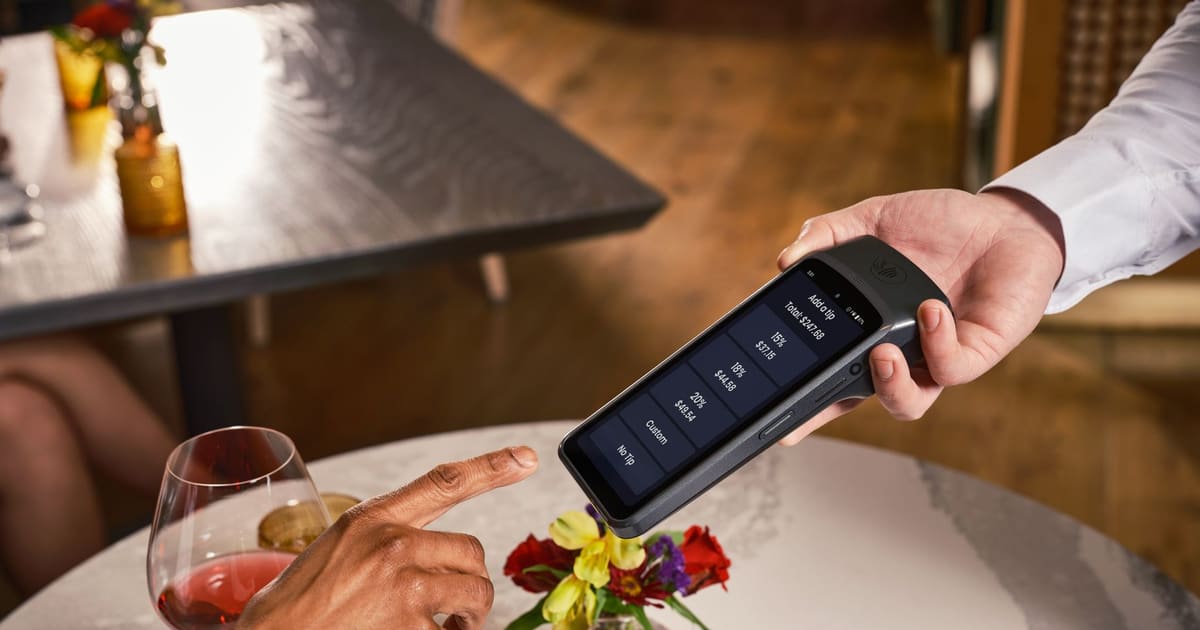
The standard tip at a teppanyaki restaurant is 18 to 20 percent of the food and beverage subtotal, per Emily Post Institute guidelines for full-service dining. This applies whether you sit at a shared communal table or a private table.
The chef's performance -- the tableside cooking, the onion volcano, the shrimp toss -- is part of the experience you are paying for through the menu price and through the tip that compensates the staff who deliver it. The chef typically shares in tip pools with the server and support staff at most chain restaurants.
For large groups where automatic gratuity may apply (typically parties of six or more), see our large-party tipping guide for how to read the bill and avoid double-tipping.
Book in Advance for Groups
Hibachi restaurants seat guests at communal teppan tables of 8 to 10. For a birthday group of 10 or more, call at least one week ahead and ask whether they can hold two adjacent tables. Walk-in waits for groups on weekends at popular locations routinely run 45 to 90 minutes. Reservation policies vary by location.
What to Expect From the Hibachi Experience
For first-time hibachi diners, the format differs from a standard restaurant in a few ways worth knowing.
You will likely share a table. Teppanyaki tables seat 8 to 10 people, and restaurants fill them by combining parties when needed. This is expected and part of the social experience. If you want a private table, call ahead and ask -- some restaurants accommodate private bookings for an added charge.
The performance is part of the experience. Expect the chef to cook tableside with theatrical flair -- flame displays, knife skills demonstrations, and the classic shrimp toss. Engagement with the performance (laughing, participating when the chef invites it) is the cultural norm at these restaurants.
Pacing is faster than fine dining. A hibachi dinner typically takes 60 to 90 minutes. The cooking happens in front of you, courses are served as they come off the grill, and the experience is energetic rather than leisurely.
The check arrives quickly. Most teppanyaki restaurants turn tables efficiently, especially on busy weekend nights. Do not expect a long post-dinner linger. If you want to extend the evening, a bar or separate lounge area is often available.
For a broader comparison of Japanese dining formats and what they cost, our restaurant price tiers explained guide covers the full spectrum from casual to premium.
How to Book a Hibachi Restaurant for a Group
Teppanyaki restaurants are well-suited to group dining but require a bit of advance planning.
Call the restaurant directly. Online reservation systems at many hibachi chains do not handle large groups well. Calling lets you confirm table availability, ask about seating arrangements for your headcount, and ask whether they accommodate birthday celebrations.
Ask about shared tables. If your group is smaller than a full teppan table (8 to 10 people), expect to share with other diners. If you prefer a private table, ask what it costs. Some locations accommodate private bookings; others do not.
Confirm the protein options for the group. Teppanyaki chefs cook for the whole table at once. If your group has a wide range of protein preferences (some chicken, some steak, some vegetarian), confirm that the restaurant can accommodate multiple proteins on the same grill session. Most can, but it helps to ask in advance.
Ask about alcohol policies. Most hibachi restaurants serve alcohol. Japanese whisky, sake, and specialty cocktails are common. If you are planning to pair drinks with the meal, ask about their bar program when you book.
Hibachi dining offers a mid-range price point with a built-in group-entertainment element. Knowing the protein pricing structure and what is and is not included in the entree price helps you plan the full cost before you arrive.
Frequently asked questions
Is hibachi considered fine dining?
No. Hibachi teppanyaki restaurants occupy the mid-range tier -- above fast casual but below fine dining. Most Benihana-style restaurants price entrees at $25 to $50 per person. The entertainment element (the chef's tableside performance) is the primary draw, not culinary refinement. Dress code is smart casual at most locations; formal attire is not expected.
Do you tip the hibachi chef separately from the server?
Generally no. At most teppanyaki-style restaurants, the chef and server are tipped together via the standard gratuity on the bill. At some restaurants the chef is salaried and not directly tipped; at others the chef shares in tip pools. If service was exceptional, a small cash tip directly to the chef (5 to 10 dollars) is a courteous gesture but not an obligation.
What is the difference between hibachi and teppanyaki?
Technically, hibachi refers to a small open-charcoal brazier used in Japanese cooking. What most US restaurants call 'hibachi dining' is actually teppanyaki: cooking on a large flat iron griddle at the table while guests watch. Benihana popularized the teppanyaki format in the US using the hibachi name. The terms are used interchangeably in American restaurant contexts.
How much is hibachi for a birthday party?
A hibachi birthday dinner for a group of 8 typically costs $200 to $450 total for food before drinks, tax, and gratuity. Most teppanyaki restaurants seat groups at shared tables, which keeps per-person cost at $25 to $55. Some locations offer a complimentary birthday dessert or a birthday discount. Call ahead to ask; policies vary by chain and location.
Does hibachi price include drinks and soup?
Soup and salad are usually included with entrees at most teppanyaki restaurants. Drinks (including tea, soda, and alcohol) are priced separately and add $5 to $20 per person depending on your order. Many locations offer a Japanese-inspired cocktail menu with specialty drinks at $12 to $18 each. Check when ordering to avoid surprises.
Is hibachi good for a large group dinner?
Yes, for groups of 6 to 12 people it is one of the easier formats to coordinate. Teppanyaki tables are built for groups, the shared table seating eliminates the logistics of arranging separate tables, and the entertainment element keeps the group engaged. Booking in advance is essential; most restaurants hold communal tables for exactly the group-dining market.