Omakase typically costs $80 to $300 per person for the food component alone, based on published restaurant menus and reservation platform pricing. High-end counters in major US cities - particularly in New York, Los Angeles, and San Francisco - reach $400 to $500 or more per person before drinks, tax, and gratuity. The range is genuinely wide and reflects real differences in ingredient quality, chef reputation, and the number of courses served.
What Is the Average Cost of Omakase?
There is no single national average for omakase because the format spans an enormous price range in a way that few other dining experiences do. Based on published restaurant menus and reservation platform data, the practical tiers look like this:
| Tier | Per-person price | What to expect |
|---|---|---|
| Entry-level | $60 to $100 | 8 to 12 nigiri pieces, less rare fish, newer counter or casual format |
| Mid-tier | $100 to $200 | 14 to 18 courses, prime fish, established kitchen, sake-friendly pairings |
| High-end | $200 to $350 | 18 to 22 courses, seasonal fish flown from Japan, intimate counter, wine pairing available |
| Destination / Michelin | $350 to $600+ | Chef's table experience, reservations months in advance, prix fixe reservation fee |
These prices cover food. A sake or wine pairing adds $60 to $150 per person in most cases. Tax (typically 8 to 10 percent) and gratuity (18 to 20 percent, unless included in a service charge) bring the all-in total considerably higher than the listed seat price.
A $150 per-person omakase seat costs roughly $200 to $220 per person all-in with tax and an 18 percent tip. Budget planning should start from the all-in number.
What Is Included in the Price?
What the price covers varies by restaurant and should be confirmed before you book.
Usually included: all food courses as determined by the chef. At sushi-focused omakase counters, this typically means a sequence of nigiri, sometimes preceded by small appetizers or sashimi courses, and occasionally followed by a soup or dessert course.
Usually priced separately: drinks of any kind, including sake, beer, wine, and non-alcoholic beverages. Many omakase restaurants have a curated beverage menu that pairs well with the courses, but ordering from it is a separate decision that adds meaningfully to the total.
Sometimes included, sometimes not: service charge or gratuity. High-end reservation-based omakase experiences increasingly build a service charge of 18 to 22 percent into the reservation fee. This means the price you see when you book may already include service, in which case tipping on top is not expected. Read the booking confirmation carefully.
Budget Omakase vs. High-End: What Changes?
The ingredient quality and sourcing change more than anything else as you move up the price range.
At the entry level ($60 to $100 per person), the fish is good quality but sourced domestically and selected for consistency over rarity. The counter may have 8 to 10 seats, and the chef may be a talented younger practitioner rather than a veteran. The experience is genuine omakase - courses determined by the chef, eaten at the counter - but without the premium ingredients that define the upper tiers.
At the mid-tier ($100 to $200 per person), you start to see fish that is harder to source: toro, uni from multiple regions, seasonal fish flown from Japan such as kinmedai or nodoguro. The counter is smaller (6 to 12 seats), and the chef has more years of practice. The pacing is more deliberate.
At the high end ($250 and above), the distinction is ingredient provenance and chef reputation. The fish may arrive from the Toyosu Market in Tokyo within 48 hours of being caught. The chef may have trained under a recognized Japanese master. The reservation system itself is often a form of vetting - some counters require a credit card hold or full prepayment at booking.
For comparison to other high-end dining formats, see our guide to prix fixe vs. a la carte dining - omakase shares the fixed-price structure of prix fixe menus but with a higher degree of chef discretion.
How Long Does Omakase Last and How Many Courses?
Most omakase experiences run 90 minutes to two hours for a standard counter, or up to three hours at a destination-level experience. The pacing is part of the format - courses are served one at a time at the chef's rhythm, not on request.
Course counts typically range from 10 to 20 pieces or courses depending on the tier and the chef's design. A 10-piece nigiri-focused omakase at an entry-level counter and an 18-course experience at a Michelin-starred counter are both described as omakase. The number itself is less important than whether the chef is making intentional decisions about what you eat and why.
Block two to three hours in your evening regardless of the stated duration. Trains of thought, conversation with the chef, and pacing that slows to honor a particularly special piece of fish can all extend the experience.
What to Expect at the Counter: First-Timer Guide
Sitting at an omakase counter is different from dining at a standard table. The chef works directly in front of you. Conversation is natural and expected at most counters. Here is what to know going in:
Arrive exactly on time. Omakase counters run on a reservation schedule and often seat all guests at once. Arriving late delays the entire table. If you are going to be late, call the restaurant.
Eat each piece immediately. Nigiri is meant to be eaten as soon as it arrives. Room-temperature sushi rice loses its texture quickly, and the chef has timed the serving with that in mind.
Ask questions. Asking "what is this?" or "where is this from?" is entirely appropriate. Most chefs welcome the conversation. This is part of the experience.
Communicate restrictions before you arrive, not at the counter. If you have a shellfish allergy or cannot eat raw fish, contact the restaurant at the time of booking, not when you sit down. A kitchen managing a 10-course sequence cannot reliably pivot on arrival.
Omakase Etiquette: What to Do and What to Avoid
Do: take phone photos if you want to, but put the phone away between courses. Do say if something was exceptional - chefs appreciate direct feedback. Do try things that are unfamiliar.
Avoid: heavy perfume or cologne. It interferes with the subtle aromas of the fish and affects the experience for everyone at the counter. Avoid requesting items not offered - substitutions and off-menu requests undermine the structure of an omakase meal.
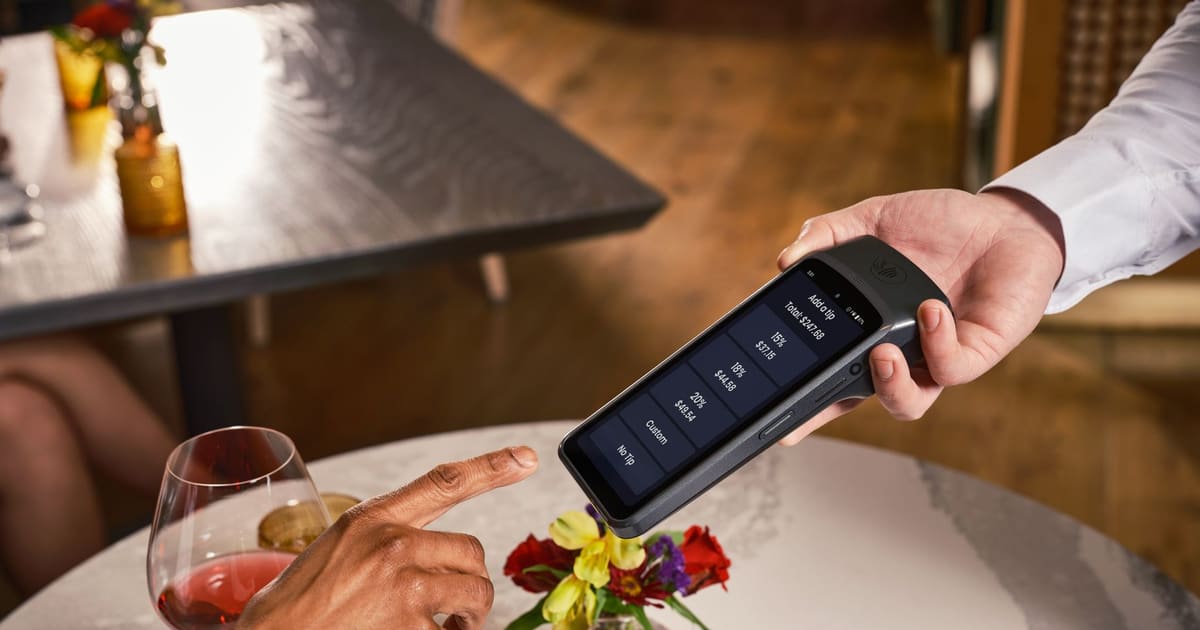
On tipping: Check the reservation confirmation for a stated service charge. If none is listed, 18 to 20 percent is appropriate. If a service charge is already included - which is increasingly common at higher-priced counters - an additional tip is not expected but is always appreciated for exceptional service.
For context on how omakase fits into the broader landscape of restaurant formats and pricing, see our restaurant price tiers explained guide.
How Omakase Compares to a Standard Tasting Menu
The practical overlap between omakase and a Western tasting menu is significant: both are multi-course, chef-selected, seated at a fixed price per person. The differences are in structure, culture, and ingredient focus.
A tasting menu is predetermined - the same dishes served to everyone who books on a given night, with minor variations for dietary restrictions. A true omakase changes daily, sometimes course-by-course, based on what the chef received that morning.
Tasting menu prices in the US run $75 to $350 per person for food, with wine pairings on top. That range largely overlaps with mid-to-high omakase pricing. For a comprehensive comparison of the fixed-price dining formats, see our guide on how to make a restaurant reservation for tips on securing seats at both formats.
Book the Midweek Seat for Value
Many omakase restaurants run the same menu and quality level on a Tuesday as on a Saturday but book out weeks later for weekend seats. A Wednesday omakase at a mid-tier counter often has seats available within one to two weeks and carries no price difference. If flexibility is possible, midweek is the path of least resistance for a first omakase visit.
Omakase is one of the more transparent high-end dining formats once you understand the tier structure. The seat price is usually the seat price - what you pay at booking is what you owe for food, barring the additions of drinks, tax, and gratuity. Planning around the all-in number (seat price + drinks + 28 to 30 percent for tax and service) removes the most common source of bill shock. For first-timers: book the mid-tier, disclose restrictions in advance, and let the chef do the rest.
Frequently asked questions
What is the difference between omakase and a tasting menu?
Omakase is a Japanese dining format where the chef selects every course based on what is freshest and best that day - the word translates roughly to 'I leave it to you.' A tasting menu is a Western fine-dining format with a fixed number of predetermined courses. Both offer a multi-course chef-driven meal, but omakase changes daily and is more personal. The price ranges overlap significantly.
Is omakase all you can eat?
No. Omakase is a set number of courses determined by the chef, not unlimited food. Most omakase experiences serve 10 to 20 pieces of nigiri or courses, eaten at a deliberate pace over 90 minutes to two hours. The number of courses is decided by the chef and reflects what is in season and available. It is the opposite of unlimited - it is highly curated.
Should you tip at an omakase restaurant?
Yes, unless a service charge is already included in the price. Many higher-end omakase restaurants build a service charge of 18 to 20 percent into the reservation fee, and tipping on top is not expected. Check before you pay. If no service charge is listed, tip 18 to 20 percent on the total as you would at any fine dining restaurant. Some restaurants note their tip policy on the reservation confirmation.
Can you request substitutions at an omakase?
Rarely, and you should disclose dietary restrictions before booking rather than at the counter. The chef designs each course around what is available that day, and omakase kitchens typically cannot accommodate shellfish or fish allergies without fundamentally changing the meal. Most restaurants ask about restrictions at the time of reservation. If you have significant dietary limitations, contact the restaurant before booking.
How far in advance should you book an omakase?
Popular omakase counters in major cities book four to eight weeks in advance for weekend seats. Some of the most sought-after experiences in cities like New York, San Francisco, and Los Angeles book out two to three months ahead and release seats through specific online reservation systems. For a midweek seat at a newer or less prominent counter, two to three weeks may be sufficient.
What do you wear to an omakase dinner?
Smart casual is the baseline for most omakase restaurants: clean, put-together clothes without athletic wear or flip-flops. High-end omakase counters in major cities expect business casual or above. Avoid heavy perfume or cologne, as it interferes with the subtle aromas of the fish. When in doubt, check the restaurant's website or reservation platform for a stated dress code before you arrive.