A steakhouse dinner typically costs $40 to $150 per person for food before drinks, based on Thumbtack consumer dining data and published menu pricing from major chains. Casual steakhouses like LongHorn and Outback average $35 to $55 per person all-in. Upscale chains like Ruth's Chris and Capital Grille average $80 to $130 per person before wine. Independent fine-dining steakhouses in major metros can reach $150 or more per person for food alone.
What Is the Average Cost at a Steakhouse?
Per Thumbtack dining cost data and published chain pricing, steakhouse costs fall into three tiers:
| Tier | Examples | Per-person food cost | With one drink |
|---|---|---|---|
| Casual chain | Outback, LongHorn, Texas Roadhouse | $30 to $55 | $40 to $70 |
| Upscale chain | Ruth's Chris, Capital Grille, Morton's | $70 to $120 | $90 to $150 |
| Independent fine dining | City-specific, tasting rooms | $100 to $200+ | $130 to $250+ |
Estimates cover entree, one shared side, no dessert. Tax and tip add 25 to 30 percent on top of the food subtotal.
The wide range reflects real variation in cut quality, portion size, and service model. A $28 sirloin at a casual chain and a $68 ribeye at an upscale steakhouse are not the same product -- the beef grade, aging, and preparation method differ significantly.
Why Steakhouses Charge More Than Other Restaurants
Steakhouse pricing reflects the cost structure of premium beef. Choice and Prime grades of beef cost restaurants $12 to $30 per pound wholesale, according to USDA commodity data. When you account for trim loss, portion size, and preparation, a restaurant's food cost on a $50 steak is typically $18 to $22 -- higher than almost any other protein.
Add to that the cost of a specialized kitchen (charbroilers, high-BTU grills, trained grill cooks), a wine and spirits program that often rivals the food program in scale, and a service model that includes tableside bread, multiple courses, and attentive staff. The total overhead structure at a steakhouse runs higher than a casual restaurant of comparable size.
Independent fine-dining steakhouses carry additional costs: dry-aging programs (14 to 45 days of refrigerated holding reduces yield and requires dedicated space), premium sourcing from specific ranches or breeds, and front-of-house staff with deeper culinary knowledge.
A-La-Carte Pricing: Why Sides and Extras Add Up
Most steakhouses price their menu a la carte: the entree (the steak) is sold alone, and sides are purchased separately. This is standard for the genre but consistently surprises first-time visitors.
A $52 ribeye with no sides is a steak and nothing else. To build a full meal -- steak, one side, a salad or soup -- add $12 to $25 in sides. A party of two ordering two steaks and two shared sides at a mid-range steakhouse adds $24 to $50 to the food bill before drinks.
What drives the extras cost at upscale steakhouses:
- Signature sides. Lobster mac and cheese, creamed spinach with premium add-ins, or truffle fries each run $16 to $22 at upscale chains.
- Sauces. Bearnaise, peppercorn, or compound butters are sometimes included and sometimes charged separately at $3 to $5 each.
- Seafood additions. Lobster tail or king crab legs as an add-on to a steak run $35 to $75 depending on the cut and restaurant.
- Wine. Steakhouse wine lists are robust and priced accordingly. A mid-tier bottle at an upscale steakhouse runs $60 to $150; by-the-glass pours run $14 to $25.
The all-in cost at an upscale steakhouse for two people -- two steaks, two sides, one bottle of wine, tax, and 20 percent gratuity -- typically lands between $350 and $600.
For context on how fine dining pricing compares more broadly, see our guide on average cost of a restaurant meal.
Casual vs. Upscale Steakhouse: How Prices Compare
The casual-vs-upscale price gap is wide, but so is the experience gap. Neither is wrong for a given occasion.
Casual chains (Outback, LongHorn, Texas Roadhouse) use Choice-grade beef, pre-cut portioned at central facilities, and a more standardized cooking process. The experience is consistent and accessible. A full dinner for two with appetizers, entrees, and one drink each runs $80 to $130 before tip.
Upscale chains (Ruth's Chris, Capital Grille, Morton's, Mastro's) use USDA Prime or high-Choice aged beef, cut in-house or by specialty purveyors. Larger portion sizes, more elaborate preparation, and higher staffing ratios. A comparable dinner for two runs $250 to $400 before tip.
Independent fine-dining steakhouses -- city-specific restaurants with their own sourcing relationships, dry-aging programs, and chef-driven menus -- operate at the top of the price range. A dinner for two with wine can easily reach $500 to $800.
The useful comparison framework here is similar to how we break down other specialty dining experiences in our restaurant price tiers explained guide.
Budget for the Full Check, Not Just the Steak
Steak menu prices are not the final number. Plan for one to two sides per couple ($25 to $50), drinks ($15 to $50 per person), tax (8 to 10 percent), and a 20 percent tip on the pre-tax subtotal. At an upscale steakhouse, the final check is often 60 to 80 percent higher than the sum of the entree prices alone.
How to Order Smart at a Steakhouse
A few decisions significantly affect the final bill without changing the core experience.
Order the ribeye or New York strip over filet. Filet mignon is the most expensive cut by price per ounce at most steakhouses, but it is leaner and less flavorful than well-marbled cuts like ribeye. For value relative to quality, ribeye and strip consistently outperform.
Share sides. A full-size steakhouse side is large enough for two. Ordering one side per person doubles the side spend unnecessarily for most diners.
Check the prix fixe option. Many upscale steakhouses offer a weeknight prix fixe -- a set two- or three-course menu at $55 to $85 per person -- that includes a salad or soup and sometimes a dessert. The value relative to ordering a la carte is substantial.
Look at the by-the-glass list before ordering a bottle. A glass of wine at a steakhouse runs $14 to $25. If two people want a glass each with dinner, two by-the-glass pours may be $28 to $50 -- roughly what a modest bottle costs on the same list. Know your wine math before you order.
Is Lunch at a Steakhouse Cheaper Than Dinner?
At chains that offer lunch service, yes. Most upscale steakhouse lunch menus are 30 to 40 percent less expensive than dinner. Smaller portions, abbreviated menus, and a faster dining pace bring the per-person food cost down to $35 to $60 at chains that run $80 to $120 at dinner.
Not all steakhouses serve lunch. Texas Roadhouse, LongHorn, and most casual chains do. Morton's, Capital Grille, and Ruth's Chris serve lunch at select locations. Independent fine-dining steakhouses often do not offer lunch at all.
What to Expect on Your First Steakhouse Visit
The service model at an upscale steakhouse differs from a casual restaurant in a few ways worth knowing in advance.
Temperature is asked, not assumed. Your server will ask how you want your steak cooked. Medium-rare is the standard recommendation for most cuts; it preserves flavor and juiciness. If you are unsure, medium-rare for a ribeye or strip is a safe default.
The meal moves at a deliberate pace. Courses arrive with spacing. This is intentional at full-service steakhouses. If the evening's tempo feels slow, it is by design.
Sides and sauces arrive with or just after the steak. Not before. If you want bread with dinner rather than just at the start, ask when the steak comes.
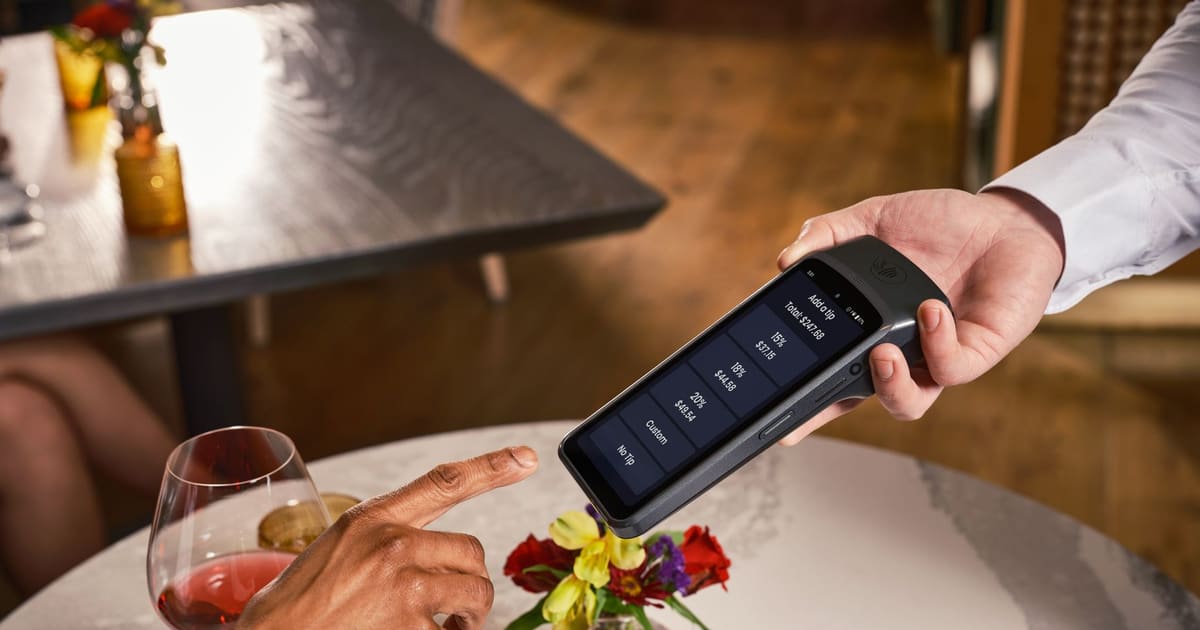
Tipping follows standard fine-dining conventions. The Emily Post Institute's guidance is 18 to 20 percent of the pre-tax food and beverage total. For detailed guidance on tipping at upscale restaurants, see our how much to tip at a restaurant guide.
Key takeaway
Budget for the full check -- steak plus sides, drinks, tax, and tip. The entree price on the menu is the starting point, not the ending point. A $58 steak at an upscale chain typically becomes a $130 to $160 per-person total once a shared side, a glass of wine, tax at 9 percent, and a 20 percent tip are added.
A steakhouse dinner covers a wide cost range depending on which tier you choose. Knowing the format -- a la carte with expensive sides, premium wine lists, and gratuity at 20 percent -- helps you plan accurately before you walk in.
Frequently asked questions
What is a reasonable steakhouse budget for two people?
A mid-range steakhouse dinner for two with one cocktail each, two entrees, one shared side, and a standard tip typically runs $150 to $250 all-in. At an upscale chain like Ruth's Chris or Capital Grille, budget $250 to $400 for two with wine. At a casual steakhouse like LongHorn or Outback, $80 to $130 covers two full meals with drinks.
Is wagyu steak worth the extra cost at a restaurant?
That depends on your reference point. Restaurant wagyu (typically American or Australian grade, not A5 Japanese) runs $60 to $120 for a modest cut. A5 Japanese wagyu at a specialty restaurant starts at $100 to $200 for a few ounces. The flavor difference is real but dramatic only at A5 grade. For a first wagyu experience, American wagyu is a reasonable middle ground.
Why does a steakhouse charge separately for sides?
Steakhouses use a la carte pricing because it lets diners customize. The menu economics also work differently: a steak at $45 carries the protein margin; sides at $12 to $18 each add pure upsell. This structure means the menu price looks lower than it is. Two people ordering two steaks and two sides at a typical upscale steakhouse spend $30 to $50 more than the entree prices suggest.
What is the standard tip at a steakhouse?
The standard tip at a steakhouse is 18 to 20 percent of the pre-tax total, consistent with any full-service restaurant, per Emily Post Institute guidelines. For large parties, auto-gratuity at 18 to 20 percent often applies. At upscale steakhouses where the tab runs high, 20 percent is standard; some regulars tip 20 to 25 percent when service warrants it.
Are chain steakhouses significantly cheaper than independent ones?
Yes, in most cases. Casual chain steakhouses (Outback, LongHorn, Texas Roadhouse) typically run $30 to $55 per person for a full dinner. Upscale chains (Ruth's Chris, Capital Grille, Morton's) run $75 to $130 per person before drinks. High-end independent steakhouses in major cities can reach $100 to $200 or more. The gap between casual and fine-dining is substantial.
What cuts are the best value at a steakhouse?
Ribeye and New York strip consistently offer the best balance of quality and price at most steakhouses. Both are well-marbled cuts that benefit from high-heat preparation. Filet mignon is tender but leaner and typically costs more per ounce despite delivering less flavor. Bone-in cuts (bone-in ribeye, porterhouse) provide more meat per dollar but are not universally available.
How much does a steak dinner cost at a steakhouse?
A steak dinner typically costs $40 to $150 per person for food before drinks, based on Thumbtack consumer dining data and published chain menu pricing. Where you land in that range depends mostly on the venue tier and the cut you order: casual chains sit at the low end, upscale chains in the middle-to-upper band, and independent fine-dining steakhouses in major metros can exceed it. See the chain comparison above for per-tier ranges.